

We make it easy to get started—visit one of our lab partners for quick and convenient testing. We measure 90+ actionable biomarkers—many of which aren’t typically included in routine checkups.
90+ biomarkers + physician insight
A Deeper Look
at Your Health
Test 90+ biomarkers with a virtual physician visit to review your results and build a personalized action plan.

Healthspan Baseline
Your Results Are
Just The Start
- 90+ biomarkers tested
- 30-minute virtual physician visit
- Personalized action plan
- 6 months of care team + app access
Only $399
Start ThrivingIncludes labs, physician visit, care team, and app access
Availability and pricing may vary by state. Healthspan includes lab testing and a virtual physician visit. Services are subject to eligibility and availability.
90+ key biomarkers
Personalized Insights to a Longer, Healthier Life
We measure key biomarkers to give you a clear, actionable picture of your metabolic health, inflammation, hormone balance, and more. These insights reveal how your body is performing today and uncover opportunities to optimize for your future health and longevity.
Get First Access to Healthspan
From App to Action: Your Complete Care Platform
Absolut covers all the main elements of the website, like text, images, icons, and buttons, to be a robust starting point for your future website.
All the modules include content and style editing options for you to adjust those to specific needs of own website.
Absolut offers modules to bring modern design solutions to HubSpot websites, like Lottie animation, background videos, page transitions, and animated text.
Absolut offers modules to bring modern design solutions to HubSpot websites, like Lottie animation, background videos, page transitions, and animated text.
Absolut offers modules to bring modern design solutions to HubSpot websites, like Lottie animation, background videos, page transitions, and animated text.
Absolut offers modules to bring modern design solutions to HubSpot websites, like Lottie animation, background videos, page transitions, and animated text.
Absolut offers modules to bring modern design solutions to HubSpot websites, like Lottie animation, background videos, page transitions, and animated text.
Absolut offers modules to bring modern design solutions to HubSpot websites, like Lottie animation, background videos, page transitions, and animated text.
How It Works


STEP 1
Test What Matters


STEP 2
Meet With Your Physician
Review your results one-on-one with a Thrive physician who can explain what matters, answer your questions, and help prioritize next steps.


STEP 3
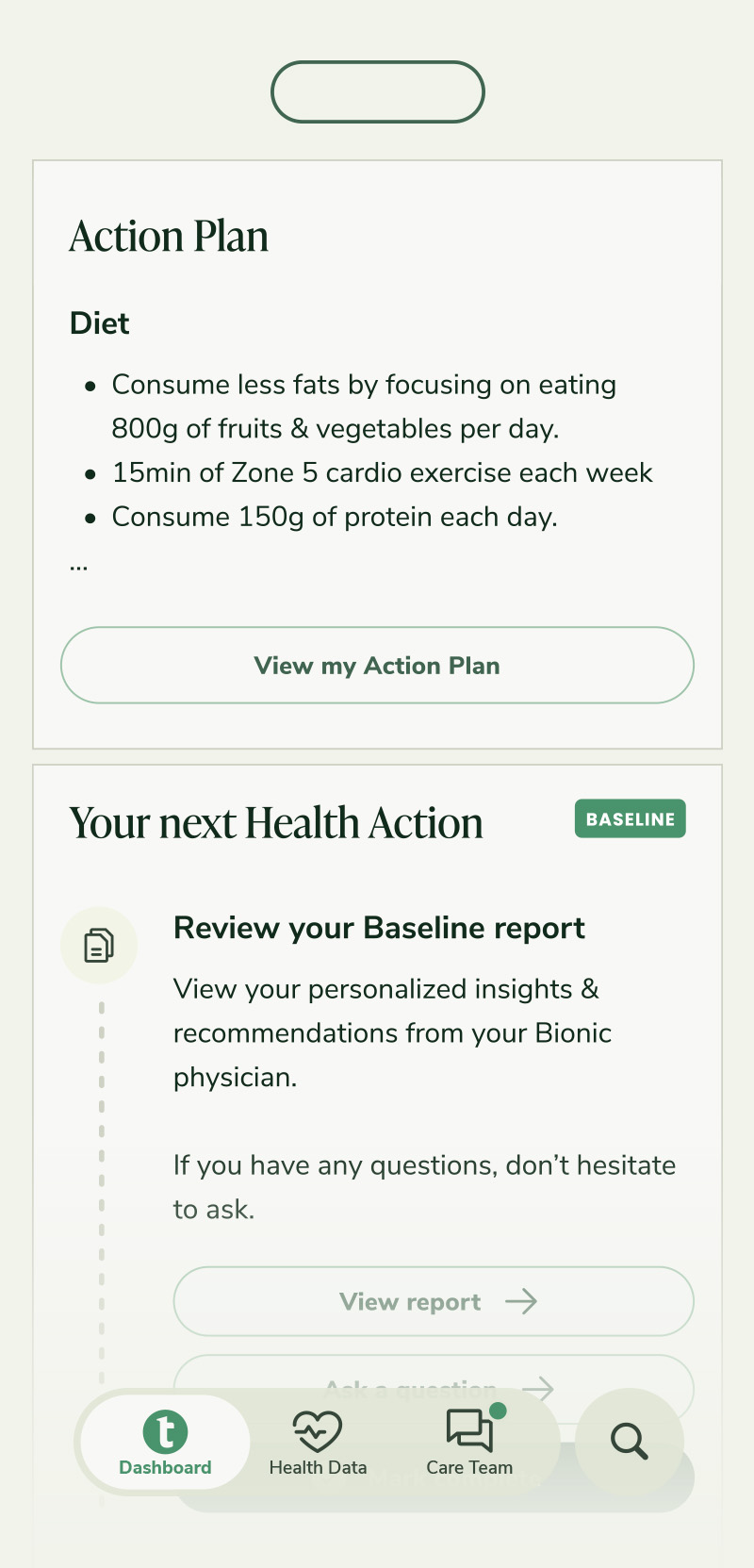
Get Your Personalized Plan
Leave your physician visit with a clear, personalized plan built around your results, health goals, and the areas where you can take action.


STEP 4
Stay Supported
Have questions after your visit? Stay connected with your care team through unlimited health messaging as you put your plan into action.
90+ Key Biomarkers
See What Your Biomarkers Reveal
Your biomarkers reveal how your body is performing today and uncover opportunities to optimize your future health and longevity.
Marker
What it tells you
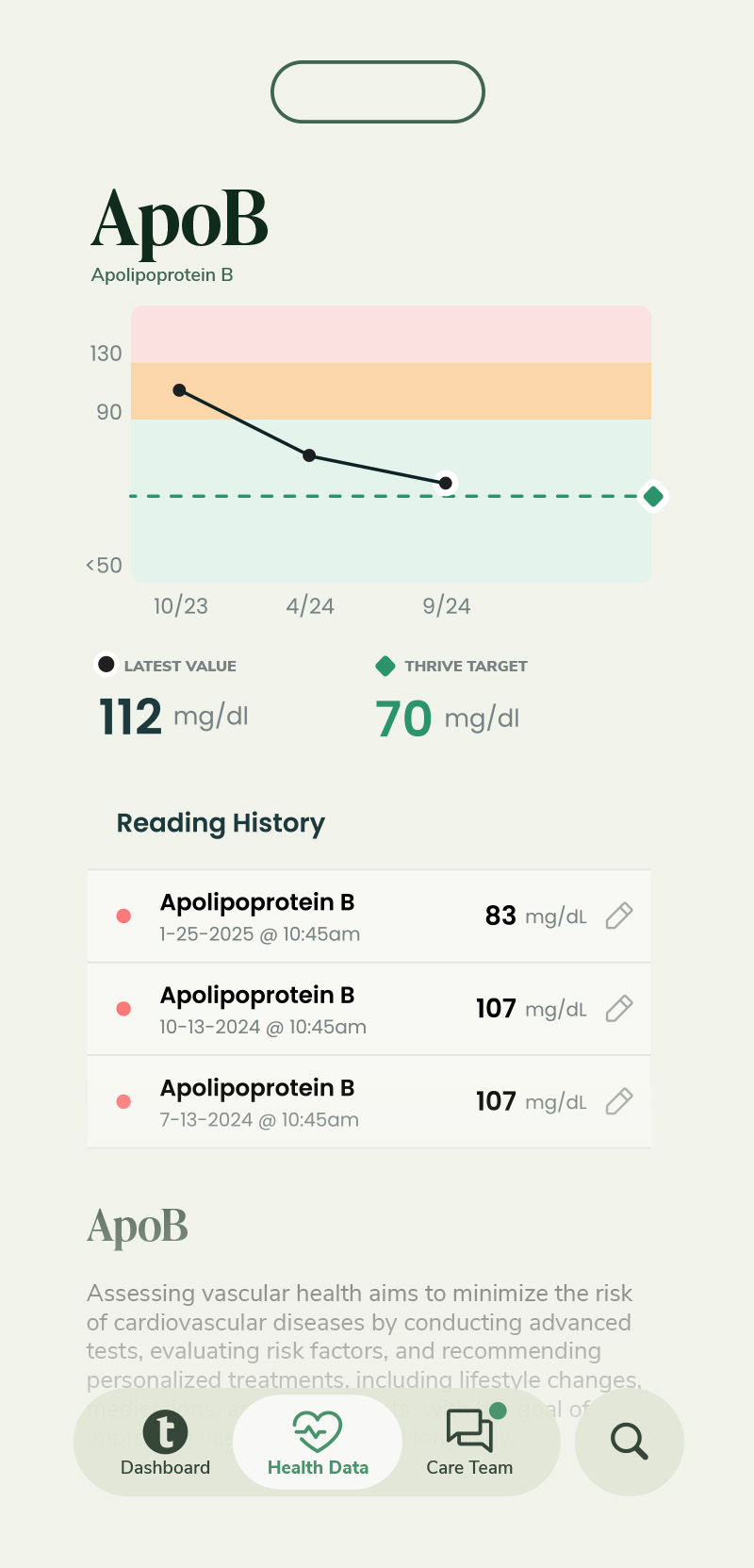
Apolipoprotein B - ApoB
Reflects the number of cholesterol-carrying particles that can contribute to plaque buildup; higher levels are linked to greater cardiovascular risk
Lipoprotein(a) - Lp(a)
Largely inherited cholesterol-related marker linked to increased cardiovascular risk
Total cholesterol
Measures the total amount of cholesterol carried in your blood
LDL cholesterol
Cholesterol carried by LDL particles; higher levels can contribute to plaque buildup and cardiovascular risk
HDL cholesterol
Cholesterol carried by HDL particles; helps provide context on cardiovascular and metabolic health
Triglycerides
Blood fats that can provide insight into metabolic and cardiovascular health
Non-HDL cholesterol
Captures cholesterol carried in particles that can contribute to plaque buildup and cardiovascular risk
Cholesterol/HDL ratio
Compares total cholesterol with HDL to provide additional context on cardiovascular risk
TG/HDL ratio
Compares triglycerides with HDL and can provide insight into insulin resistance and metabolic risk
hs-CRP
Measures low-grade inflammation associated with cardiovascular and metabolic risk
Homocysteine
Amino acid that can provide insight into cardiovascular risk and B-vitamin metabolism
Marker
What it tells you
Hemoglobin A1c
Reflects your average blood sugar over roughly the past 2–3 months
Estimated average glucose - eAG
Translates your A1c into an estimated average blood sugar level
Fasting insulin
Shows how much insulin your body is producing while fasting and can help assess insulin resistance
HOMA-IR
Estimates insulin resistance using fasting glucose and insulin
Glucose
Measures blood sugar at the time of your test; fasting levels help assess metabolic health and diabetes risk
TyG index
Estimates insulin resistance using fasting triglycerides and glucose
Marker
What it tells you
Cortisol, total
Measures your primary stress-response hormone and helps assess adrenal and stress-response activity
DHEA-S
Adrenal hormone precursor that provides insight into androgen production and hormone balance
Prolactin
Pituitary hormone that can affect reproductive hormones, testosterone, libido, and gonadal function
Free T4
Thyroid hormone used with TSH and T3 to assess thyroid function
TSH
Primary screening marker that shows how strongly the pituitary is signaling the thyroid
Free T3
Active thyroid hormone that helps assess thyroid function and hormone activity
Estradiol
Main estrogen hormone involved in reproductive, bone, cardiovascular, and metabolic health
Total testosterone, MS
Measures total circulating testosterone to help assess androgen status
SHBG
Protein that binds sex hormones and helps determine how much testosterone and estradiol are available to the body
FSH
Pituitary hormone that helps assess ovarian or testicular function and reproductive hormone signaling
LH
Pituitary hormone that helps regulate ovulation or testosterone production
Progesterone
Hormone that helps assess ovulation, menstrual-cycle phase, and reproductive hormone balance
PSA, total
Prostate-related marker used to help assess and monitor prostate health
Marker
What it tells you
Iron, total
Measures circulating iron and helps assess iron availability when interpreted with other iron markers
Magnesium
Essential mineral involved in muscle, nerve, heart, glucose, and enzyme function
Phosphate / phosphorus
Mineral involved in bone health, energy production, kidney function, and acid-base balance
Vitamin B12
Vitamin important for nerve function, red blood cell production, and energy metabolism
Folate
B vitamin important for DNA production, red blood cell formation, and homocysteine metabolism
Vitamin D, 25-hydroxy
Reflects vitamin D status, which supports bone, immune, and metabolic health
Marker
What it tells you
Cystatin C
Kidney filtration marker that is less influenced by muscle mass than creatinine
eGFR by cystatin C
Estimates how well your kidneys are filtering using cystatin C
BUN
Waste product that can provide insight into kidney function, hydration, and protein metabolism
Creatinine
Waste product used to help assess how well the kidneys are filtering
eGFR by creatinine
Estimates how well your kidneys are filtering using creatinine
BUN/creatinine ratio
Provides context on kidney function, hydration, and protein metabolism
Sodium
Major electrolyte that helps reflect fluid balance and kidney and adrenal regulation
Potassium
Electrolyte important for heart rhythm, muscle, nerve, and kidney function
Chloride
Electrolyte that helps regulate fluid and acid-base balance
Carbon dioxide / bicarbonate
Helps show how well your body is maintaining acid-base balance
Anion gap
Calculated value that helps assess acid-base balance and certain metabolic abnormalities
Calcium
Mineral important for bone, muscle, nerve, heart, and hormone function
Corrected calcium
Adjusts calcium for albumin to better estimate your calcium level
Urine color
Initial urine screen that can provide clues about hydration, blood, or pigments
Urine appearance/clarity
Shows urine clarity; cloudiness can reflect cells, crystals, bacteria, or mucus
Urine specific gravity
Shows how concentrated your urine is and provides insight into hydration and kidney concentrating ability
Urine pH
Shows urine acidity or alkalinity and can provide context on acid-base balance and kidney stone risk
Urine glucose
Checks for glucose in urine, which can appear when blood sugar is elevated or kidney handling is altered
Urine ketones
Shows ketones produced during fat metabolism, fasting, low-carbohydrate intake, or uncontrolled diabetes
Urine protein
Screens for protein in urine, which can be a sign of kidney damage
Urine blood
Screens for blood in urine, which can come from the kidneys, urinary tract, or other sources
Urine bilirubin
Checks for bilirubin in urine, which can point to liver or bile-flow problems
Urine urobilinogen
Helps assess bilirubin processing and patterns involving the liver or red blood cells
Urine nitrite
Screens for bacteria commonly associated with urinary tract infections
Urine leukocyte esterase
Screens for white blood cell activity associated with urinary tract infection or inflammation
Urine WBC (microscopic)
Shows white blood cells in urine, which can indicate urinary tract infection or inflammation
Urine RBC (microscopic)
Shows red blood cells in urine, which can indicate bleeding from the kidneys or urinary tract
Urine epithelial cells (microscopic)
Can help identify sample contamination or, depending on cell type, possible tubular injury
Urine casts (microscopic)
Kidney-tubule structures that can help identify specific patterns of kidney injury
Urine crystals (microscopic)
Shows crystals that may reflect urine concentration, pH, or kidney stone risk
Urine bacteria (microscopic)
Shows bacteria in urine and supports evaluation for urinary tract infection
Urine albumin/creatinine ratio - uACR
Screens for small amounts of albumin in urine that can signal early kidney damage
Total protein
Measures major blood proteins and can provide insight into nutrition, liver function, kidney loss, inflammation, or immune activity
Albumin
Major blood protein made by the liver; provides context on nutrition, inflammation, liver function, and fluid balance
Globulin
Group of blood proteins, including antibodies, that can reflect immune and inflammatory activity
Albumin/globulin ratio
Compares albumin with globulins to provide context on protein balance, liver function, and immune or inflammatory patterns
Total bilirubin
Reflects liver processing, bile flow, and red blood cell breakdown
Alkaline phosphatase - ALP
Enzyme from the liver, bile ducts, and bone that helps assess bile flow and bone turnover
AST
Enzyme found in the liver, muscle, and other tissues; elevations can reflect liver or muscle injury
ALT
Liver-enriched enzyme that helps assess liver cell injury and metabolic liver stress
Gamma-glutamyl transferase - GGT
Liver and bile-duct enzyme that can reflect hepatobiliary stress and alcohol exposure
FIB-4 score
Estimates risk of advanced liver fibrosis using age, AST, ALT, and platelet count
Marker
What it tells you
White blood cell count - WBC
Measures immune cells and can provide insight into infection, inflammation, immune suppression, or blood-related conditions
Red blood cell count - RBC
Measures the number of red blood cells and helps assess oxygen-carrying capacity and anemia or elevated red cell levels
Hemoglobin
Measures the oxygen-carrying protein in red blood cells and is a key marker for anemia
Hematocrit
Shows the percentage of blood made up of red blood cells and can reflect anemia, hydration, or elevated red cell levels
MCV
Measures average red blood cell size and helps identify different patterns of anemia
MCH
Measures the average amount of hemoglobin in each red blood cell and helps classify anemia
MCHC
Measures the average concentration of hemoglobin inside red blood cells and helps evaluate anemia
RDW
Shows variation in red blood cell size and can provide clues about nutrient deficiencies or changing anemia patterns
Platelet count
Measures cells involved in blood clotting and can provide insight into bleeding, clotting, inflammation, or bone marrow function
MPV
Measures average platelet size and can provide insight into platelet production and activity
Neutrophils
White blood cells that play a key role in bacterial defense and acute inflammation
Lymphocytes
White blood cells involved in adaptive immunity and viral and immune responses
Monocytes
Immune cells involved in inflammation, tissue repair, and clearing damaged cells
Eosinophils
White blood cells associated with allergies, asthma, parasitic infections, and some inflammatory conditions
Basophils
White blood cells involved in allergic and inflammatory signaling
Your Care Team
Your health deserves a team, not a one-size-fits-all plan. Your care team provides real-time support that’s responsive, personalized, and always focused on your progress. Available through the Thrive app whenever you need to check in, ask a question, or make an adjustment to your plan.
What is Your Healthspan?
Healthspan is the number of years you live in good health—feeling strong, energized, and free from disease. It’s not just about living longer—it’s about living better, with more energy, strength, and quality every year.

Biological Age
Biological age measures how your body is aging based on genetics, lifestyle, and health—not just your birth date. Comparing it to your chronological age puts healthspan in context and gives you a clearer picture of your true health.
.webp?width=1600&height=1067&name=AdobeStock_728599274%20(1).webp)
Thrive Score
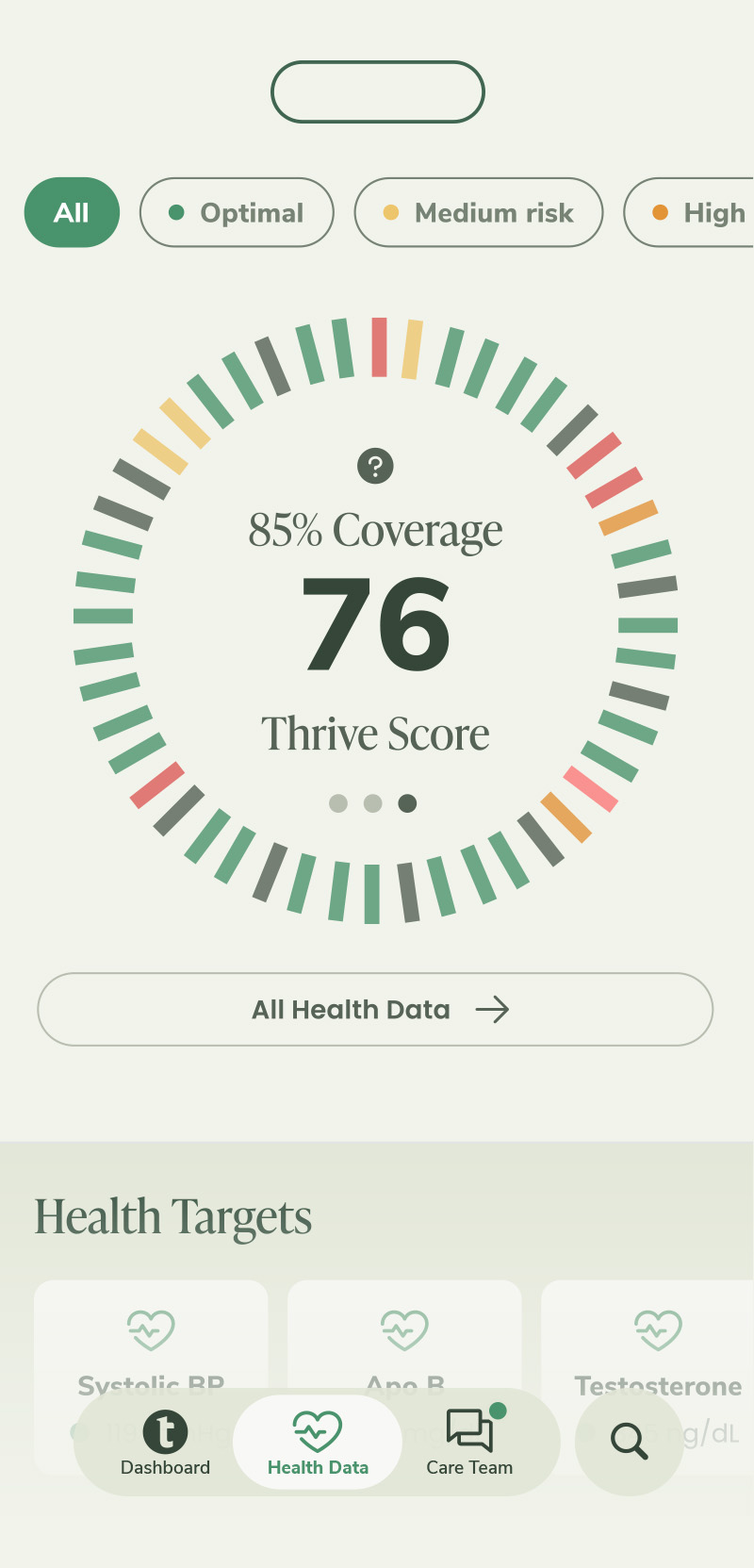
Progress isn’t always linear—and that’s okay. Your Thrive Score (0–100) tracks how your key biomarkers are improving over time. It’s a tool for measuring meaningful change, not perfection—and it’s normal for your score to rise gradually.

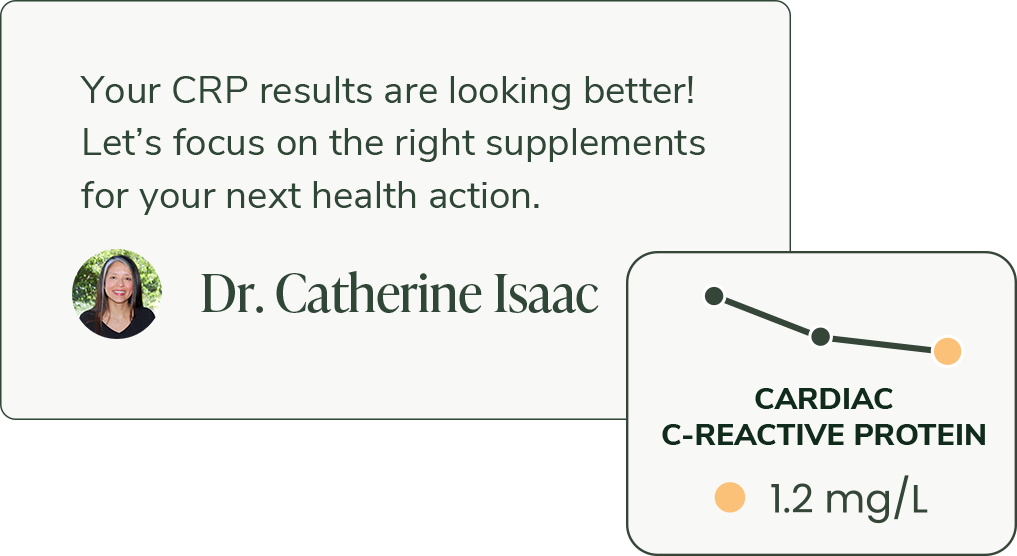
Thrive Physician
Our board-certified doctors take their time to understand the full picture and help uncover what’s really holding you back. Every decision is grounded in clinical expertise and made with your goals in mind. From your first video visit to ongoing check-ins, you’ll have expert support that evolves with you.

Healthspan Assistant
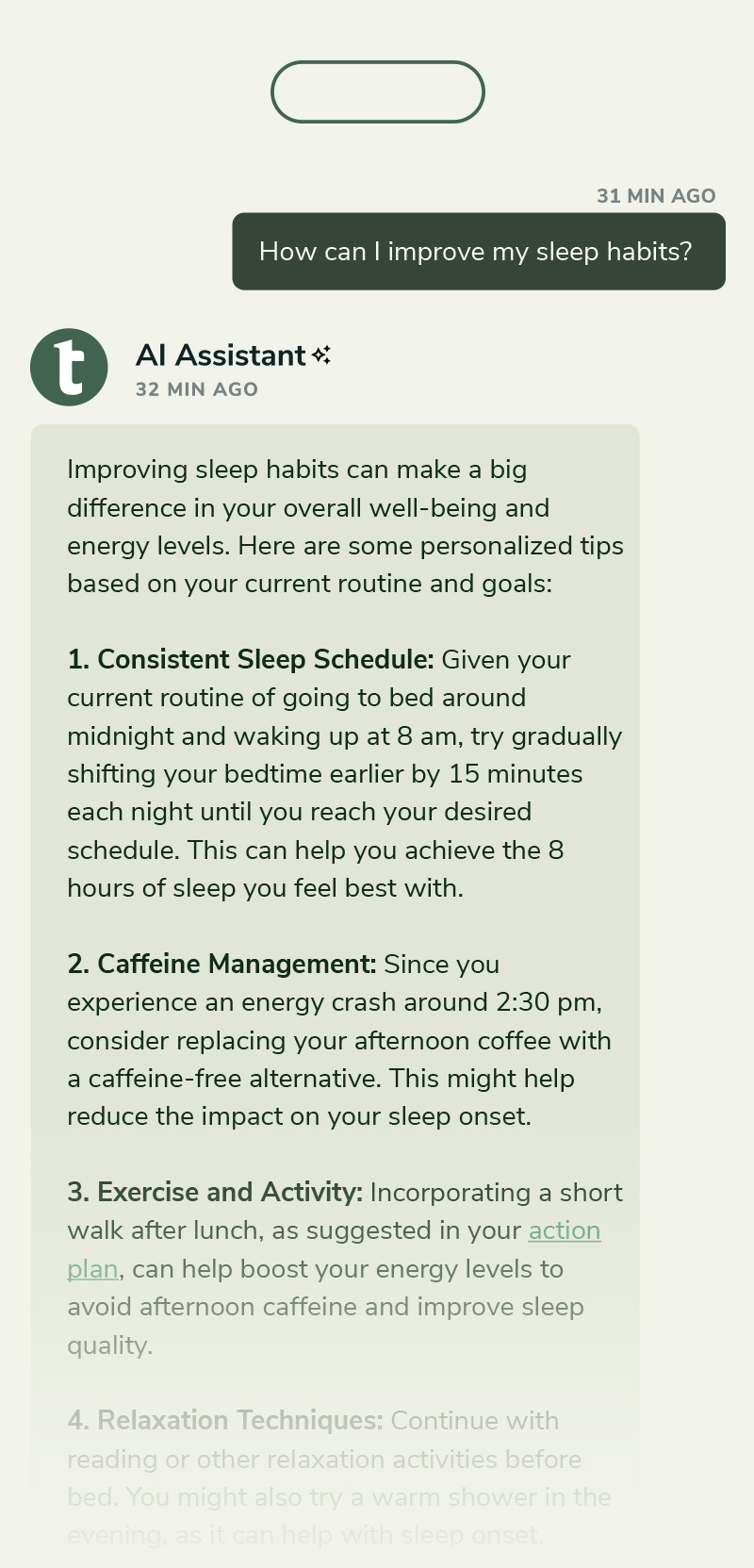
Unlock smarter AI-powered insights that are based on your biomarkers, goals, and daily habits. Your healthspan assistant lives right in the Thrive app—ready with personalized recommendations and real-time answers, whenever you need them.


Health Coach
Your health coach provides support between physician visits—offering guidance, motivation, and answers when you need them. They help you build sustainable habits, stay accountable, and keep moving confidently toward your goals.
Have Questions?
We have answers.
Healthspan is designed to give you a clearer picture of your health, but you may have questions before getting started. Explore our FAQs to learn how it works, what’s included, and what to expect along the way.
Thrive Healthspan is a comprehensive look at your health designed to help you understand where you stand today and what to focus on next. It combines in-depth lab testing with a one-on-one physician visit and a personalized action plan based on your results, health history, and goals.
Healthspan includes comprehensive lab testing across 90+ biomarkers, a 30-minute virtual visit with a board-certified physician, and a personalized action plan built around your results and goals.
Healthspan measures 90+ biomarkers across key areas of your health, including cardiovascular health, metabolic health, hormone health, nutrient and vitamin health, kidney and liver health, and blood health. The panel includes biomarkers that may not be part of routine bloodwork, giving you a more comprehensive view of your health.
Routine bloodwork can provide an important snapshot of your health, but it often includes a more limited set of tests. Healthspan looks across 90+ biomarkers to provide a more comprehensive picture.
The biggest difference is what happens after your labs. You’ll review your results one-on-one with a Thrive physician who can help you understand what matters, what your results may mean for your health, and what to focus on next.
During your 30-minute virtual visit, a board-certified physician will walk through your lab results with you, answer your questions, and discuss your health history, lifestyle, and goals.
Together, you’ll identify the areas that deserve your attention and build a personalized plan for what to focus on next.
Your results can give you a clearer picture of areas like cardiovascular, metabolic, hormone, nutrient, kidney, liver, and blood health.
Your Thrive physician helps put those numbers into context so you understand what matters most and what to focus on next.
Your plan is based on more than your lab results alone. Your Thrive physician considers your biomarkers alongside your health history, lifestyle, and personal goals to help determine what deserves your attention.
Your plan may include recommendations related to areas such as nutrition, exercise, sleep, supplements, or other appropriate next steps based on your individual results.
Healthspan is for people who want a deeper understanding of their health, even if they feel well today.
Establishing a comprehensive baseline can help you see where you stand now and identify areas worth paying attention to before they become more noticeable.
After you sign up for Healthspan, you’ll choose a convenient lab location through one of our lab partners. Your lab testing is included in the cost of Healthspan.
We encourage you to consult with your HSA/FSA administrator or insurance carrier for specific rules and regulations. In many cases our members are able to use their HSA/FSA cards to cover their costs with Thrive.